
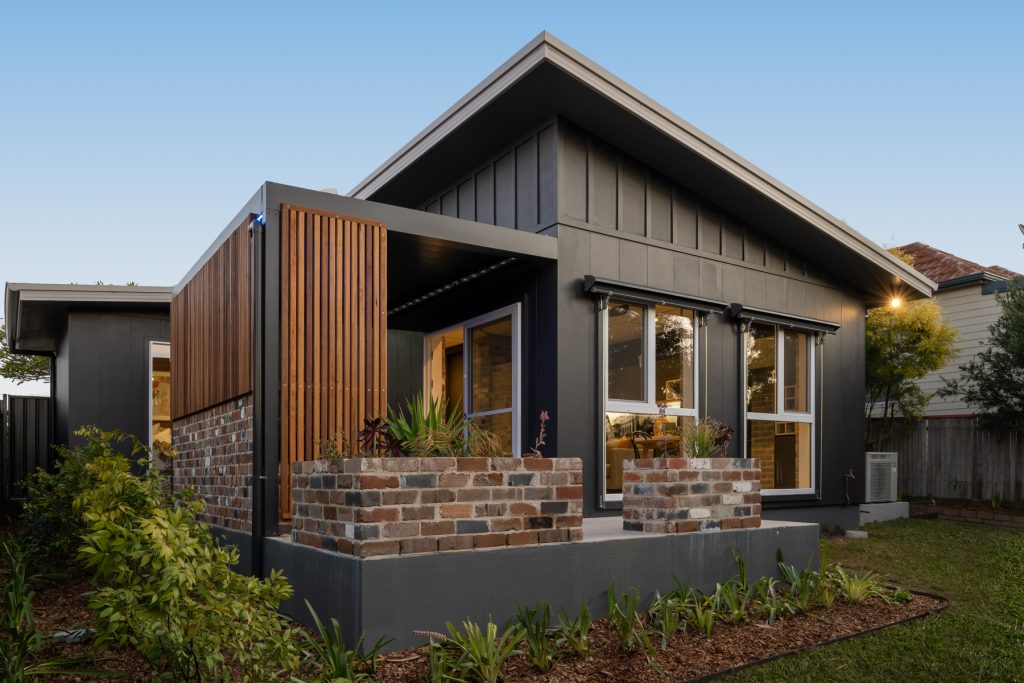
As interest in sustainable living grows, more homeowners are looking for practical ways to create energy-efficient, comfortable homes that perform well year-round. Whether you’re designing a new build or renovating an existing home, small changes to layout, window placement, materials and insulation can make a significant difference.
These tips offer a helpful starting point for anyone wanting to design a smarter, more efficient home.
(Content based on “7 Top Tips for Building Your Dream Green Home.”)
1. Start with Orientation and Passive Solar Design
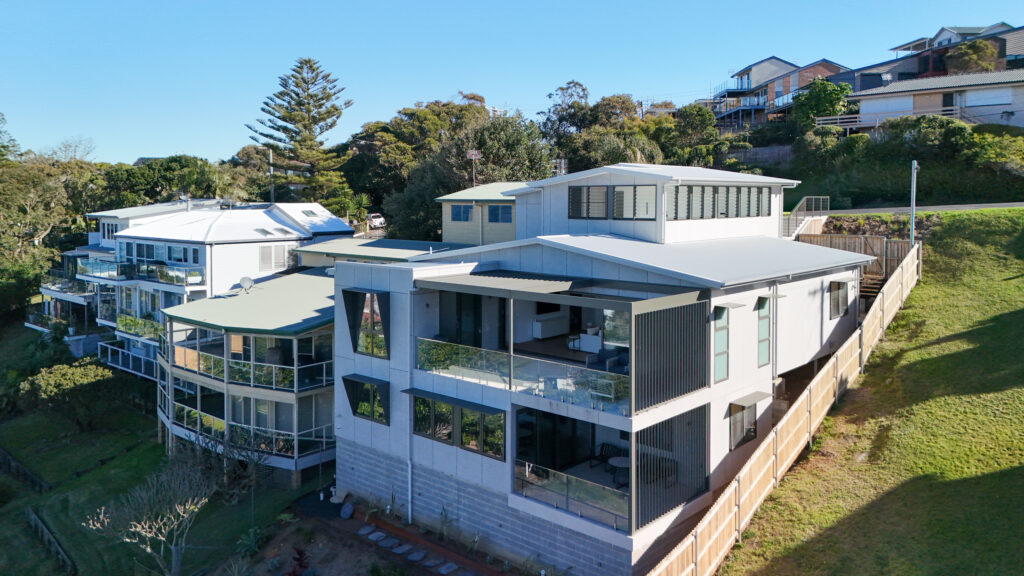
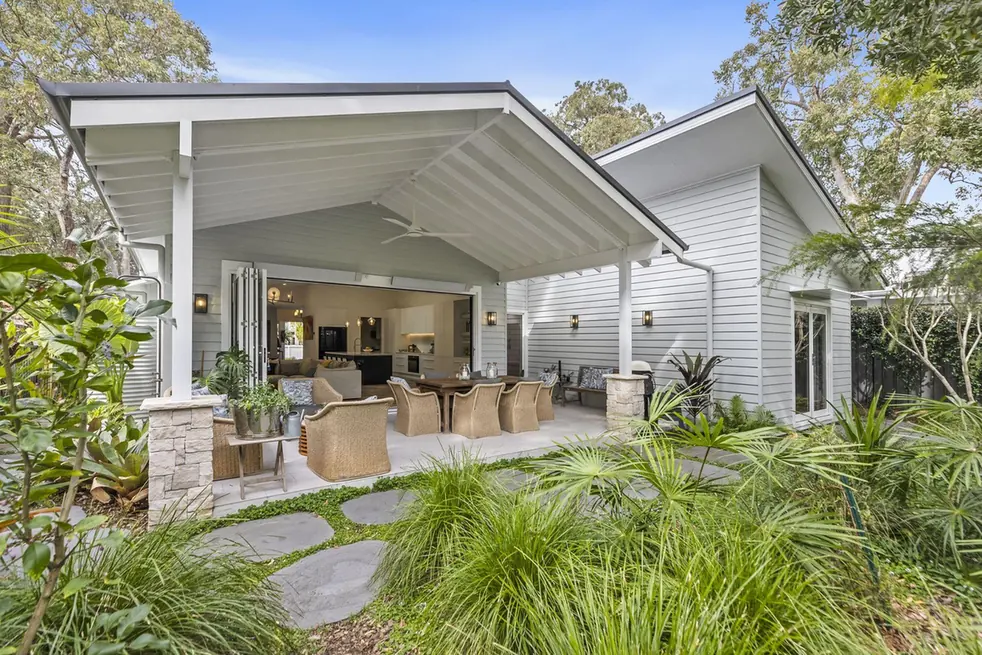
The first and most important step in designing a comfortable, energy-efficient home is getting the orientation right. North-facing living areas capture winter sunlight, reduce the need for mechanical heating and create naturally warm, inviting spaces. Good cross-ventilation helps move cool breezes through the home during summer.
If you’re renovating, it can be trickier — but even small layout changes or new window positions can instantly improve thermal comfort.
Read more about how passive design shaped our 10 Star House
2. Use Shading to Control Sunlight
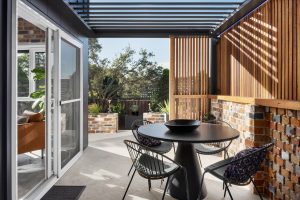
North-facing windows are ideal for capturing winter warmth, but shading is essential for blocking harsh summer sun. Depending on your home, this could mean:
-
fixed awnings
-
operable louvre systems
-
external blinds
-
deciduous planting
These solutions allow winter light in while keeping summer heat out.
3. Choose High-Performing Windows
Windows play a major role in thermal performance. The range of energy efficient window frames on the market is bigger than ever offering homeowners a large variety to suit their particular needs. We’ve found uPVC frames with double glazing to be a superior option when it comes to thermal performance. uPVC is more thermally stable than aluminium, durable, and suitable for bushfire-prone areas. The improved seals also minimise unwanted air leakage resulting in a well sealed home.
Learn more about our approach to high-performance materials – The Ecovillage
4. Select Materials with Longevity in Mind
Sustainability isn’t only about energy efficiency — it’s also about choosing materials that last.
While recycled materials are excellent where appropriate, the key is selecting materials that are:
-
durable
-
low-maintenance
-
good quality
-
reusable or recyclable where possible
This reduces long-term waste and keeps your home looking and performing at its best over time.
5. Consider Thermal Mass
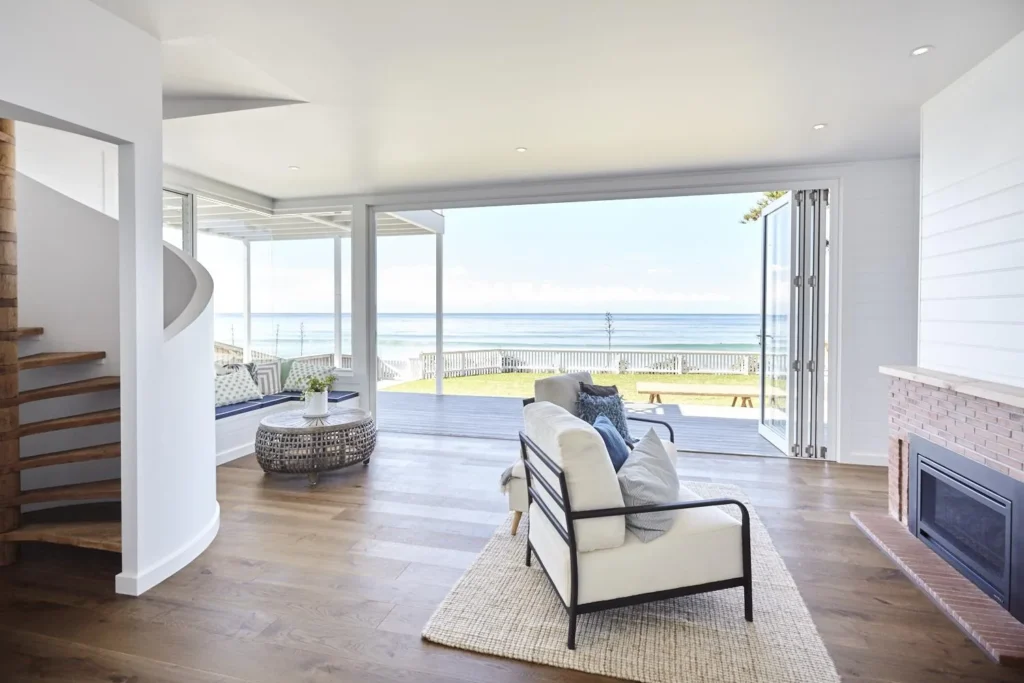
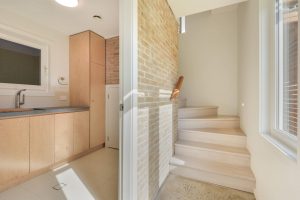
Materials like concrete and brick absorb heat during the day and release it slowly in the evening, helping stabilise indoor temperatures. While a concrete slab can be an efficient and straight forward way to incorporate thermal mass you can think outside the box — for example, a recycled brick feature wall positioned to catch winter sun.
6. Insulate Thoroughly — Everywhere
Insulation is one of the highest-impact, most cost-effective strategies for reducing heat loss and improving comfort. The guide highlights insulating:
-
external walls
-
ceilings
-
internal garage walls
-
internal wet-area walls
-
lightweight subfloors
Thorough insulation reduces drafts, lowers energy bills, and keeps your home comfortable all year.
7 Tips to your Dream Green Home
7. Get a Thermal Assessment Early
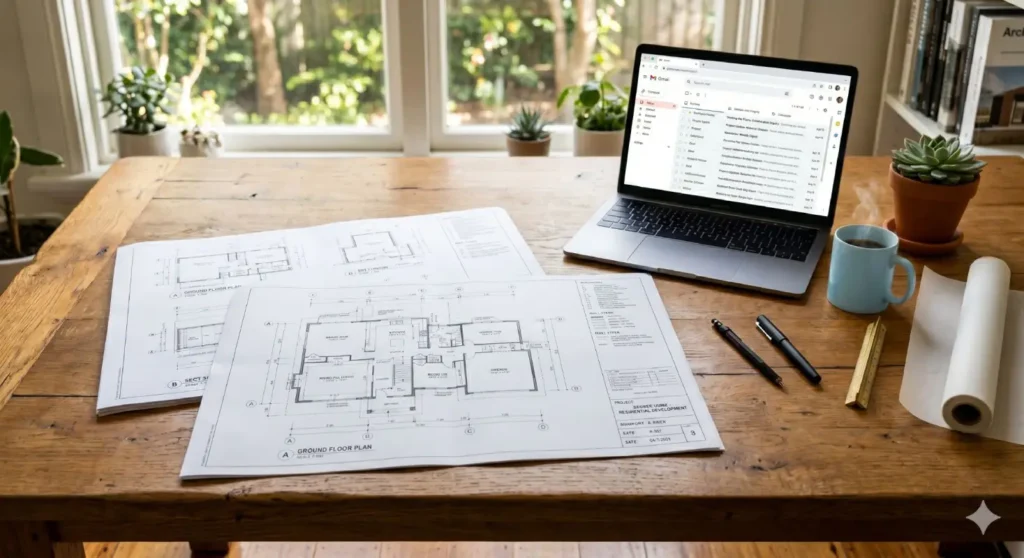
A thermal performance assessment (such as NatHERS) isn’t mandatory in NSW yet, but it provides valuable insights. Early assessments help you refine window placement, insulation choices and material selections before construction begins — saving time and increasing long-term comfort.
Conclusion
Building a greener home doesn’t require complex systems or high-tech solutions. Many of the most effective strategies — good orientation, thoughtful shading, high-performing windows and quality materials — are simple decisions made early in the design process.
If you’d like guidance on incorporating passive design principles into your new build or renovation, our team is always happy to help.