
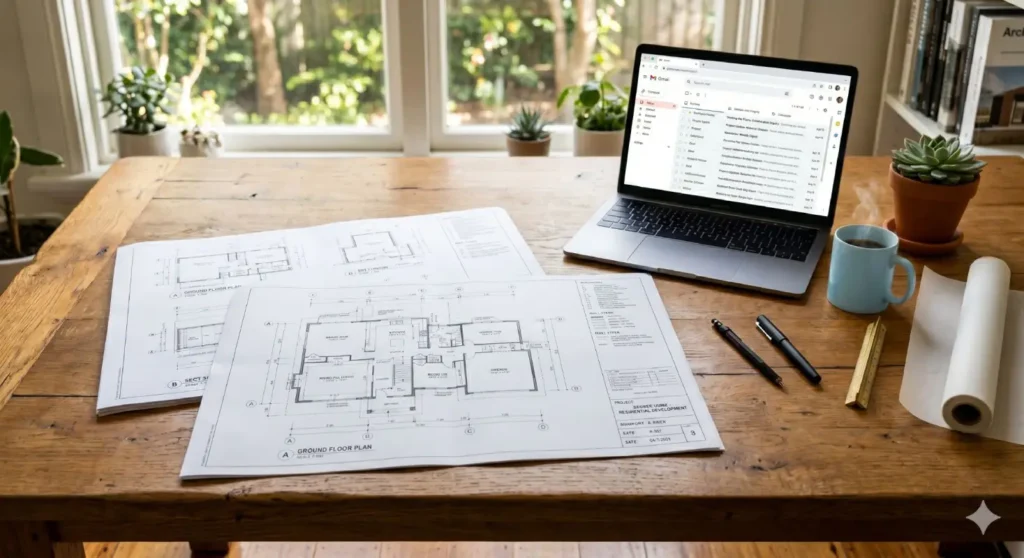
Building a home can be an exciting process — but it can also become stressful when things aren’t properly considered early on.
In most cases, projects don’t go off track because of one major issue.
It’s usually a series of smaller things:
- unclear expectations
- unrealistic budgets
- poor communication
- or details that weren’t fully resolved upfront
The good news is that many of these issues can be avoided with the right planning and the right team involved early.
1. The Budget Was Never Properly Aligned With the Design
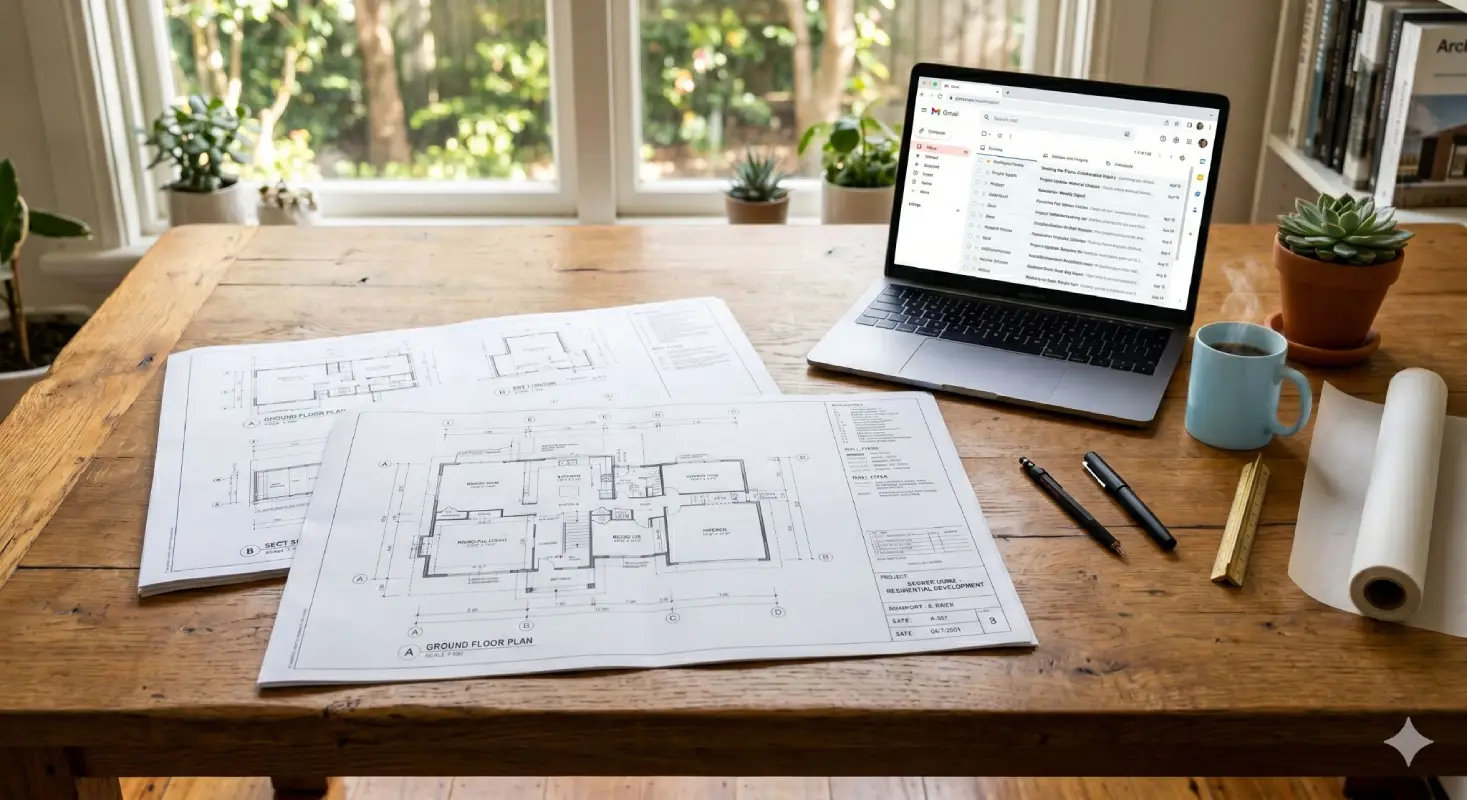
One of the most common problems we see is when a design is completed before there’s a realistic understanding of build cost.
It’s easy to become emotionally invested in plans — only to discover later that the budget and design don’t align.
That often leads to:
- redesign
- delays
- compromised selections
- or budget blowouts
Having builder input early in the design phase can make a significant difference here.
You can read more about this in our article on what it really costs to build a custom home on the Central Coast.
2. Site Costs Weren’t Properly Allowed For
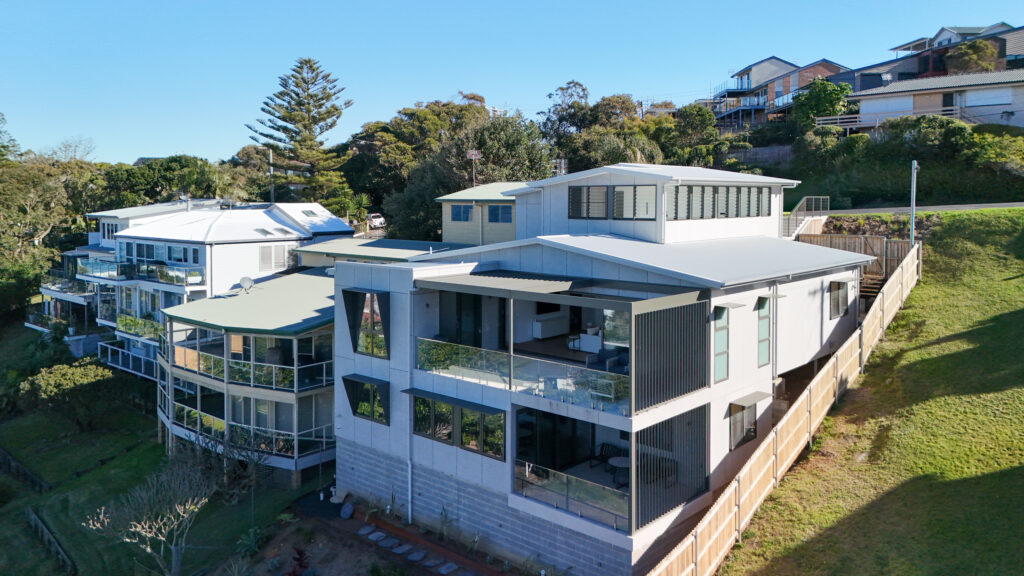
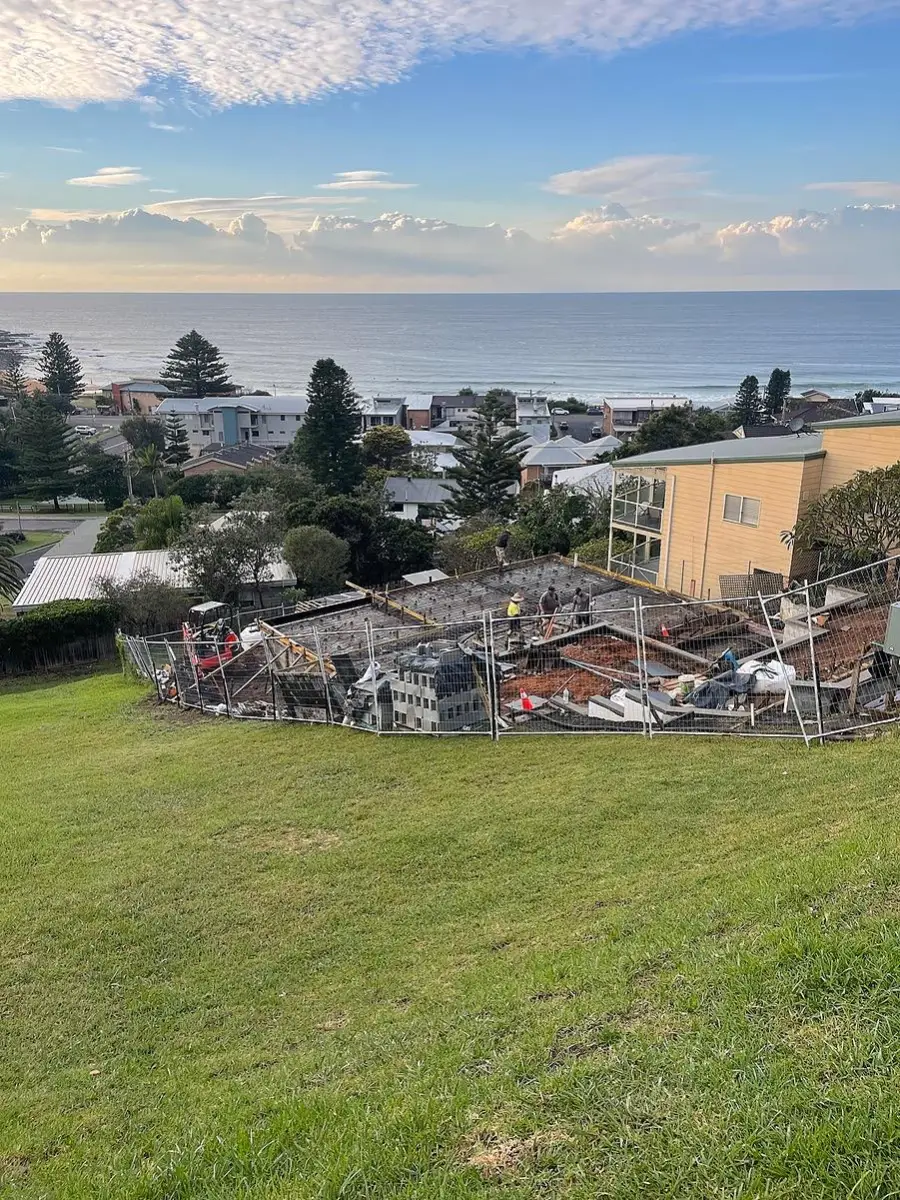
This is particularly common on the Central Coast, where many sites involve some level of slope, access complexity or structural consideration.
Site costs can include:
- excavation
- retaining
- drainage
- piering
- access requirements
- and structural upgrades
If these aren’t properly assessed early, they can become one of the biggest sources of unexpected cost increases during the build.
3. The Scope Wasn’t Clearly Defined
Sometimes the issue isn’t the budget itself — it’s what was assumed to be included.
This is where unclear scope becomes a problem.
Something may seem obvious to the client, but if it hasn’t been clearly documented or allowed for, it can lead to confusion and variations later on.
That could be:
- finishes
- joinery details
- site works
- electrical inclusions
- or landscaping allowances
The more clarity there is upfront, the smoother the project tends to run.
4. Variations Started Adding Up
Variations are a normal part of building — but excessive variations are often a sign that too many things weren’t resolved early.
Sometimes this happens because clients change their minds during construction.
But other times it comes down to:
- unrealistic allowances
- missing detail
- or costs that weren’t fully considered upfront
That’s often where projects that looked affordable initially start becoming stressful financially.
5. Communication Broke Down
A well-managed build relies heavily on communication.
When communication is inconsistent or unclear, small issues can quickly become bigger ones.
Clients should feel:
- informed
- comfortable asking questions
- and clear on what’s happening throughout the build
That’s often one of the biggest differences between a smooth experience and a stressful one.
6. The Builder Wasn’t Involved Early Enough
Projects generally run better when the builder is involved before everything is locked in.
That early collaboration helps:
- align budget with design
- identify potential construction challenges
- and avoid redesign later
It also creates a much smoother transition from planning into construction.
7. The Wrong Builder Was Chosen for the Type of Project
Not every builder suits every project.
Some builders are geared towards standardised homes and streamlined systems.
Others are better suited to:
- sloping sites
- architectural homes
- renovations
- or more detailed custom projects
Making sure the builder’s experience aligns with the type of project you’re planning can make a significant difference to the outcome.
Final Thoughts
Building a home will always involve decisions and challenges along the way.
But many of the major frustrations people experience can be avoided when:
- expectations are clear early
- the scope is properly defined
- and the right team is involved from the beginning
A well-managed project shouldn’t feel chaotic or unclear.
It should feel organised, transparent and carefully considered from start to finish.
If you’re planning a custom home or renovation on the Central Coast, you can get in touch here to talk through your project.
FAQs
What causes most budget blowouts during a build?
Usually a combination of underestimated site costs, unrealistic allowances, unclear scope and excessive variations during construction.
Should I involve a builder before finalising plans?
Yes. Early builder involvement can help align design decisions with budget and identify potential issues before construction begins.
Are variations always a bad thing?
Not necessarily. Variations are common during building, but excessive variations often indicate that too many details weren’t resolved upfront.
Why are site costs difficult to estimate?
Because every site is different. Factors like slope, access, soil conditions and drainage requirements can all significantly affect construction cost.